
Sheet SAF · Road craft
Safety that sounds like adults
Egyptian roads reward predictability over bravery. This sheet covers traffic rhythm, heat discipline, night visibility, group protocols, and what to do when something goes wrong — without slogan posters or shame.
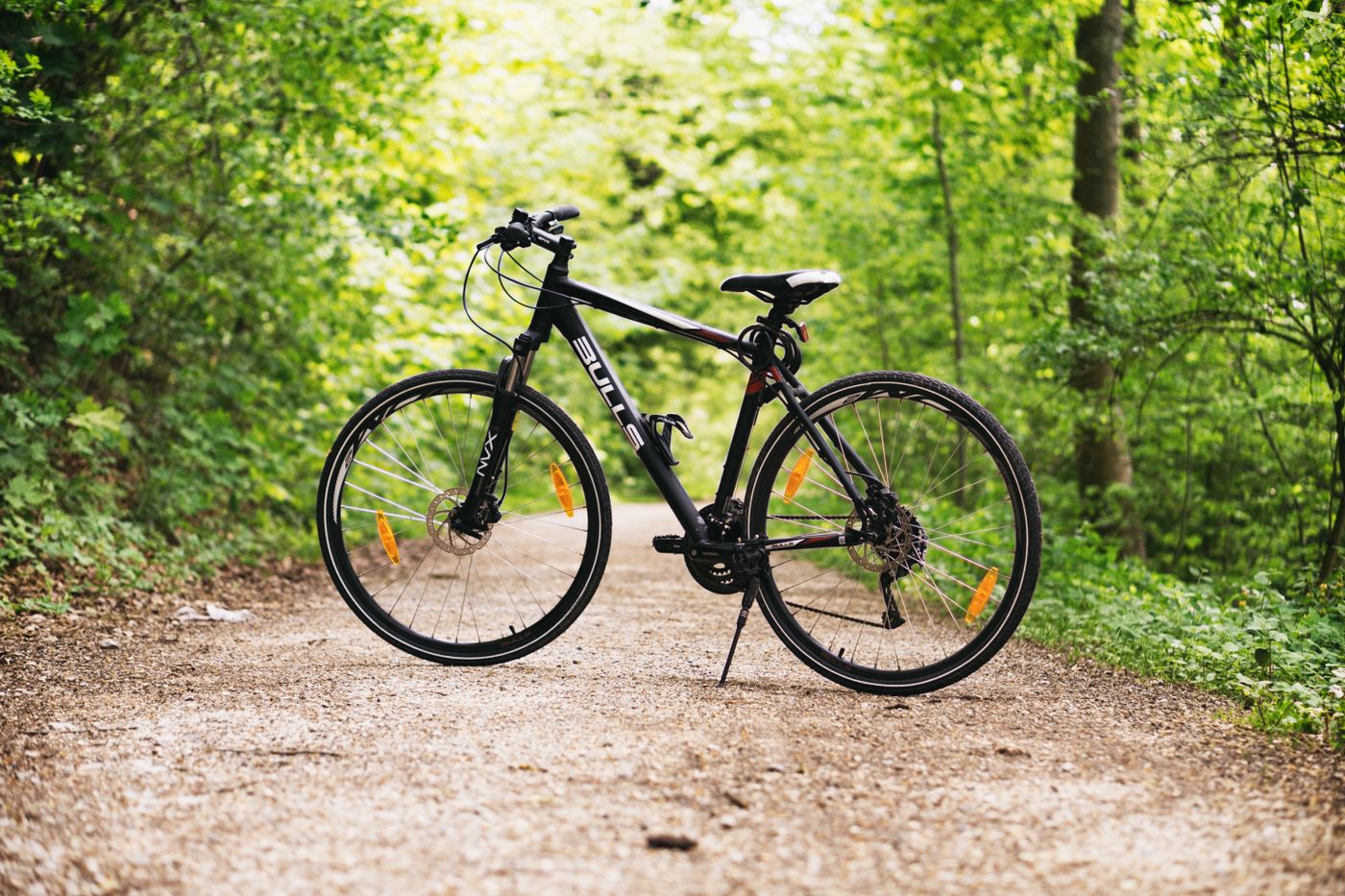
Traffic
Reading Egyptian asphalt as a conversation
Drivers here are not uniformly hostile or uniformly saintly — they are human, distracted, and used to mixed traffic that includes donkey carts, tuk-tuks, and lorries with optimistic mirror placement. Your job is to be visible, predictable, and early with signals.
Lane position
Ride where you can be seen — often that means a confident metre from the edge, not hugging crumbling shoulders full of glass and irrigation runoff. In village cores, slow down, make eye contact, and expect children and livestock to enter the road without warning.
Passing and being passed
When lorries pass close, hold your line — swerving unpredictably causes the evasive manoeuvre you fear. Signal early for turns; a raised arm beats assuming telepathy. At unmarked junctions, treat every vehicle as potentially turning across you.
Specific hazards
- Microbuses stopping without signals — give parked buses wide berth
- Sand and gravel on chip-seal after desert wind nights
- Metal plates and temporary covers after roadworks — assume slippery
- Market days — reroute or ride dawn; midday village cores are chaos
City riding
Cairo and Alexandria connectors are scheduling problems, not courage tests. Early Friday beats noon bravery. See destination corridors for timing notes.
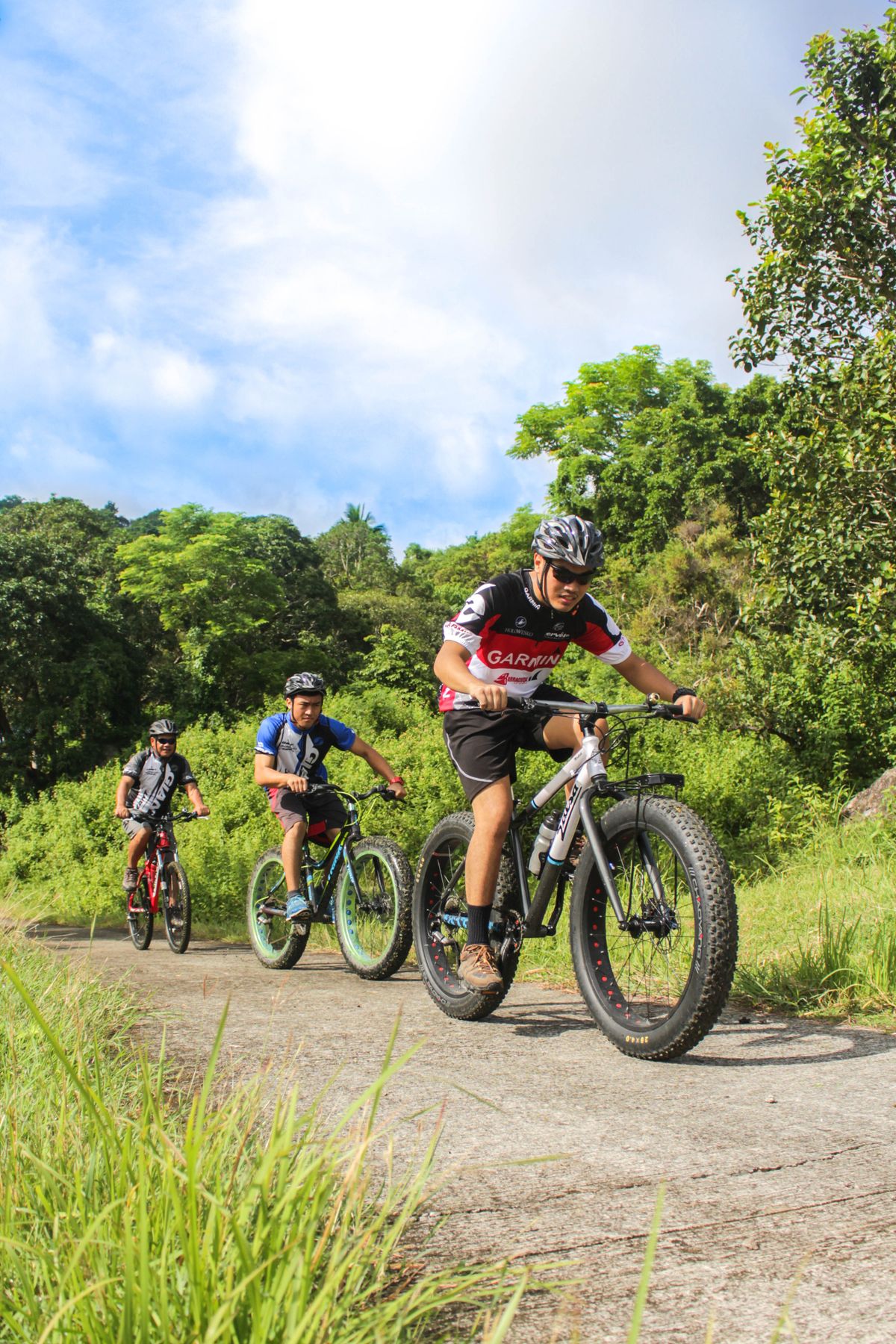
Heat
Sun as a training partner with veto power
From May through September, the sun edits your pace by 08:00. Heat illness is not weakness — it is physics. Kassa stop-rules apply on group rides and should apply to solo rides too.
Non-negotiable stop signals
- Dizziness, nausea, or confusion — stop immediately, seek shade
- Stopped sweating while still exerting — heat emergency until proven otherwise
- Heart rate far above normal conversational effort with no explanation — ease off
- Headache that water does not touch — end the ride
Hydration and electrolytes
Two bottles minimum on Delta loops in summer. Drink on a schedule — every 15–20 minutes — not when thirst screams. Salt matters on flat sweaty rides; experiment in training, not on your first 80 km.
Timing strategy
05:00–08:30 is the primary window. Occasional sunset rides in winter with lights. Midday is for indoor life, mechanical work, or rest — not for proving toughness to strangers online.
Night & low light
Be seen before you need to be saved
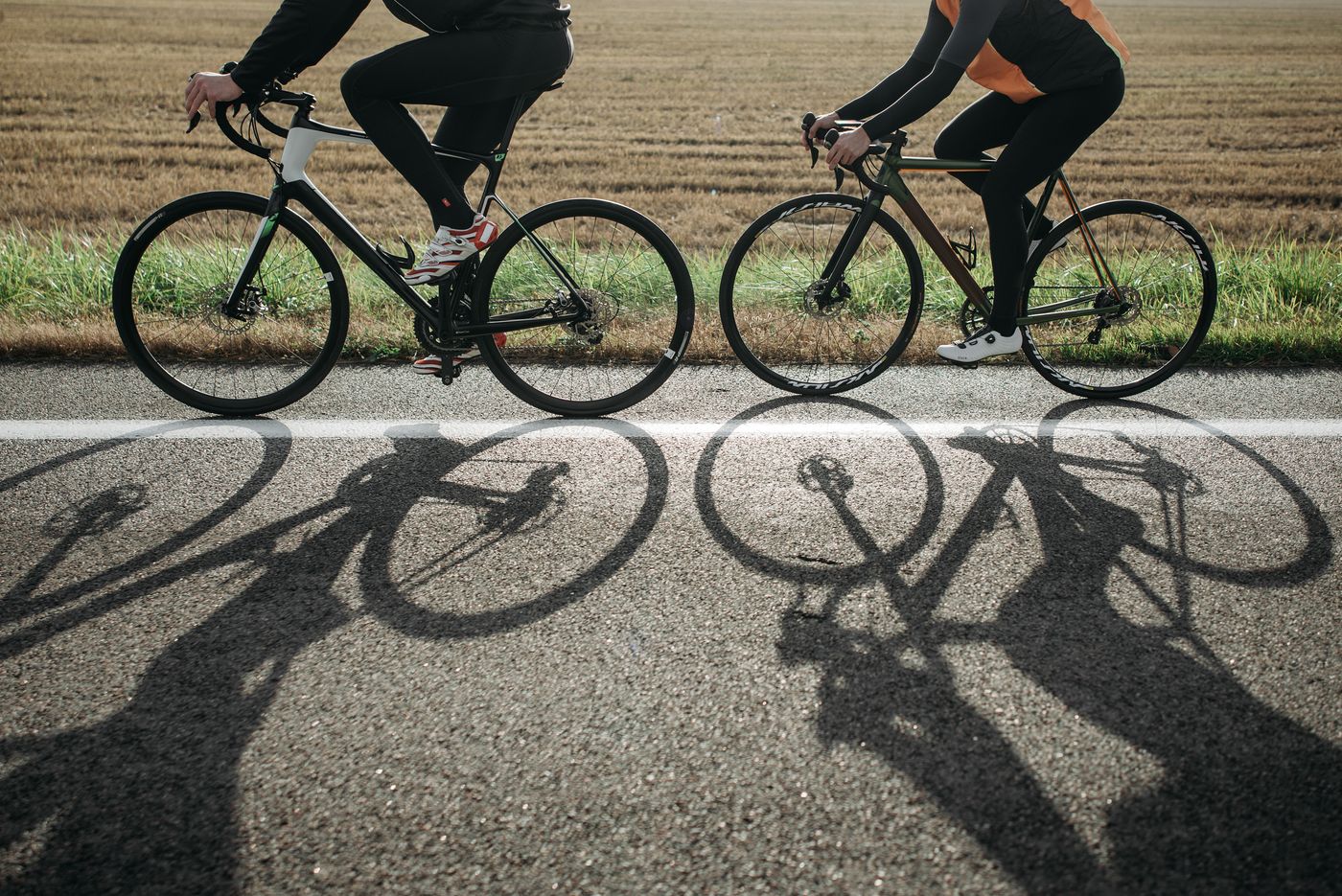
Dawn and dusk transitions happen fast on open Delta roads. Lights are not optional accessories — they are part of the minimum kit from October through March and for any ride that might cross 06:30 or 17:30 boundaries.
Minimum lighting
- Front white light visible at 100+ metres — check battery weekly
- Rear red steady or pulse — blinkers alone annoy drivers without improving sight lines
- Reflective elements on moving parts — ankles, pedals, wheel spokes
- Light-coloured or reflective clothing beats black kit at dawn
Route choice after dark
Assume potholes you cannot see and dogs with opinions. Stick to known corridors, reduce speed, and skip unlit farm connectors entirely. Group night rides are rare and announced with extra kit checks — do not improvise your own.
Predictable riders live longer than brave ones. The canal bridge does not care about your follower count. — Kassa safety briefing · Tanta
Group protocols
Riding together without collecting crashes
Group rides multiply safety when discipline holds and multiply risk when ego enters. Kassa events use the protocols below; adopt them on informal rides too.
Formation
Single file in traffic and narrow village streets. Double file only on wide shoulders with sight lines and explicit leader permission. No overlapping wheels — the most common group crash cause worldwide, including here.
Communication
- “Hole” / “Glass” / “Sand” — pointed finger plus voice
- “Car back” / “Car up” — passed down the line
- “Slowing” / “Stopping” — before brakes, not after
- Hand signals for turns — early and held until executed
Pace ethics
Regroups are part of the route, not charity. If you surge on flats and wait at corners, you are training yourself, not the group. Headphones in both ears forbidden on Kassa rides — you must hear calls.
Leader
Sets pace, calls regroups, knows bail-out towns. Decisions on shortening routes are final.
Sweep
Last rider — carries spare tube, confirms nobody is dropped silently. Your emergency contact on long rides.
You
Speak up before you crack. A five-minute wait beats an ambulance narrative.
Emergencies
When the ride stops being about fitness
Mechanicals
Move off the road shoulder — not the travel lane. Flag oncoming traffic if needed. Group waits at safe distance. If frame or fork damage — walk, do not ride “just to the car.”
Medical
Call emergency services when needed — do not let embarrassment delay an ambulance. Heat stroke presents as confusion; assign one person to shade and cooling while another calls. Know hospital locations on your regular corridors.
Share location
Send a live pin to someone not on the ride before long loops. On group rides, leaders carry a participant list and emergency contacts for desert editions.
Desk number
+20 100 738 9996 — for route assistance and non-emergency support during published event hours. Emergencies go to official services first.
Pre-ride checklist
Two minutes that save forty
Bike
Tyres inflated to range on sidewall. Brakes firm. Quick releases closed. Chain lubed but not dripping. Bolts on rack and bottle cages snug.
Body
Helmet strapped. Sunscreen on exposed skin. Food and water for route plus 30% buffer. Phone charged with offline maps.
Route
Weather checked. Heat window respected. Someone knows your plan. Bail-out towns identified on map.
Group
RSVP confirmed. Meeting pin saved. Lights packed if dawn/dusk. Ego left at home.
Are helmets legally required?
Requirements vary by context. Kassa group rides require helmets regardless — we enforce this at roll-out.
Should I ride alone in the desert fringe?
No for beginners. Experienced solo desert riding demands support plans, satellite communication, and water math beyond casual bottles. Join announced group editions instead.
Safety questions
Ask before the wrong lesson teaches you
Route-specific hazards, clinic dates, group protocol refreshers — the desk answers plainly.
- Address
- El-Galaa, Tanta Qism 2, Second Tanta, Gharbia Governorate 6630284, Egypt
- Phone
- +20 100 738 9996
- [email protected]
- Domain
- kassa-eg.xyz